
Спільна праця науковців: опубліковано латинсько-український словник рослин, водоростей і грибів
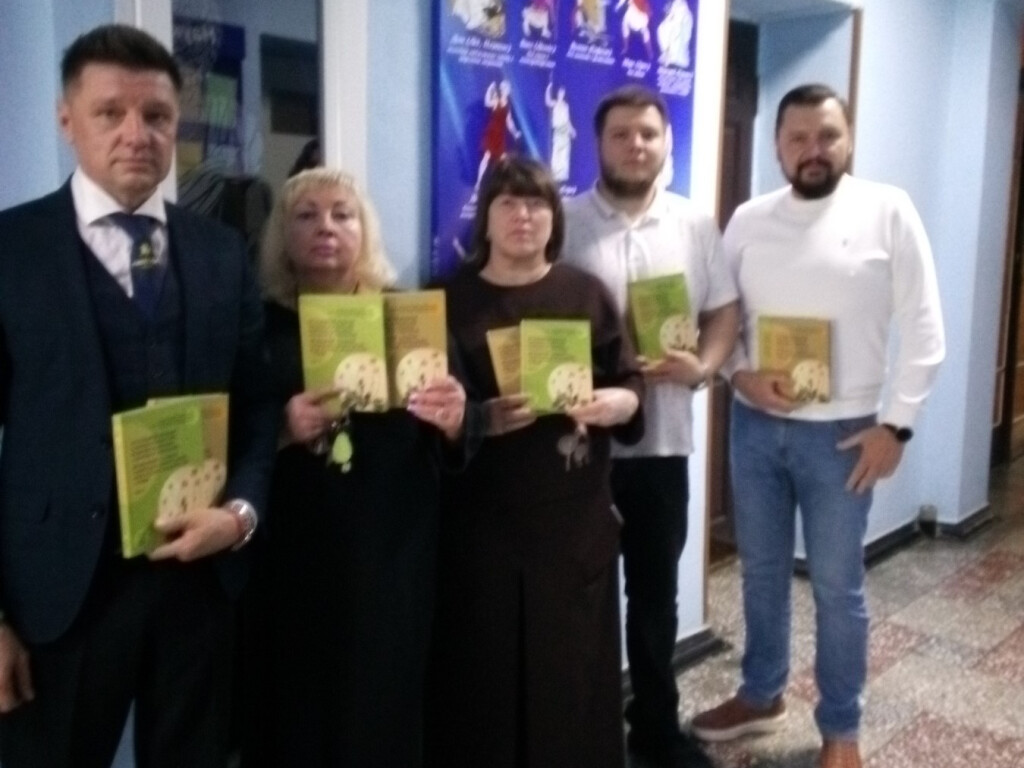
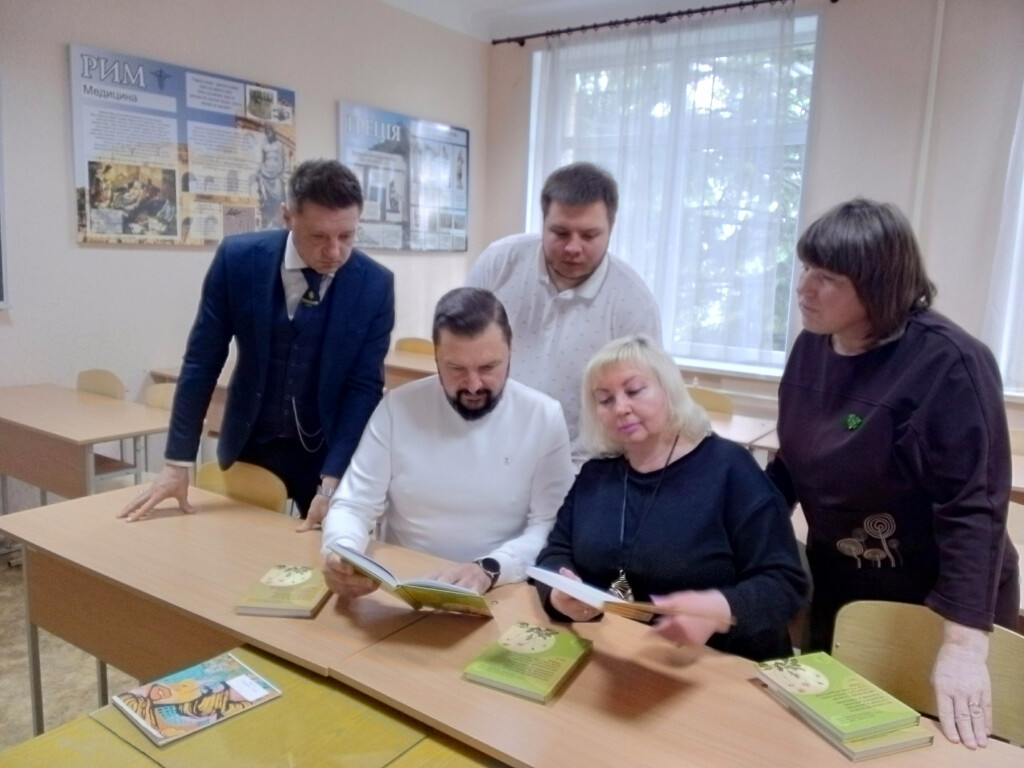
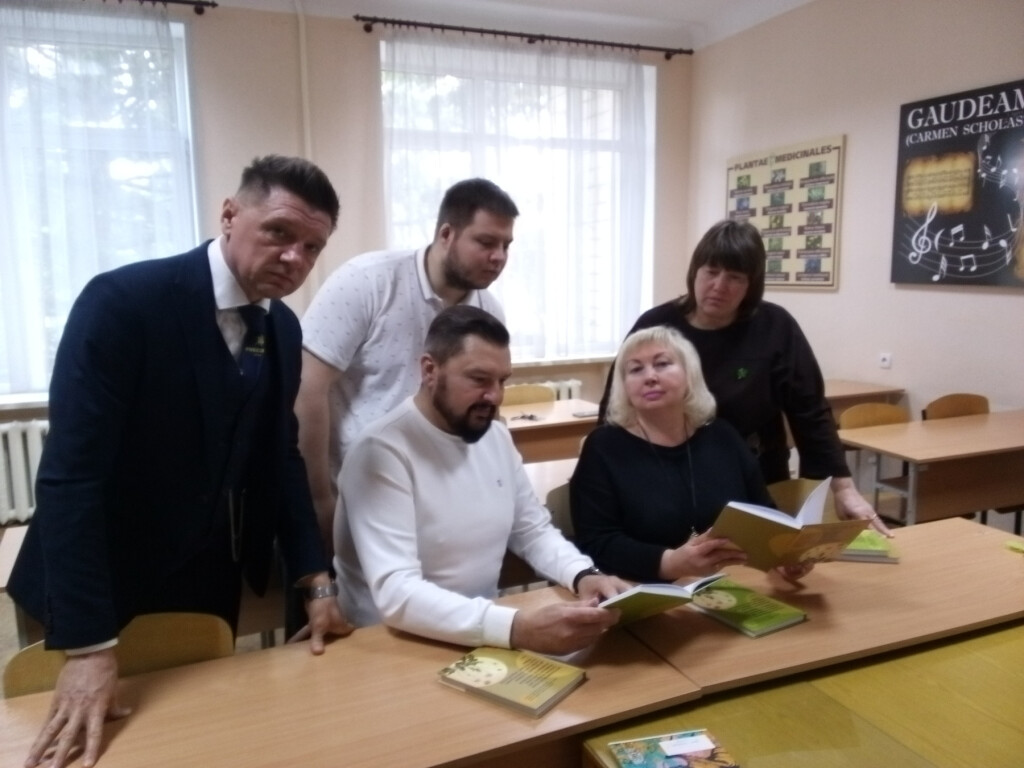
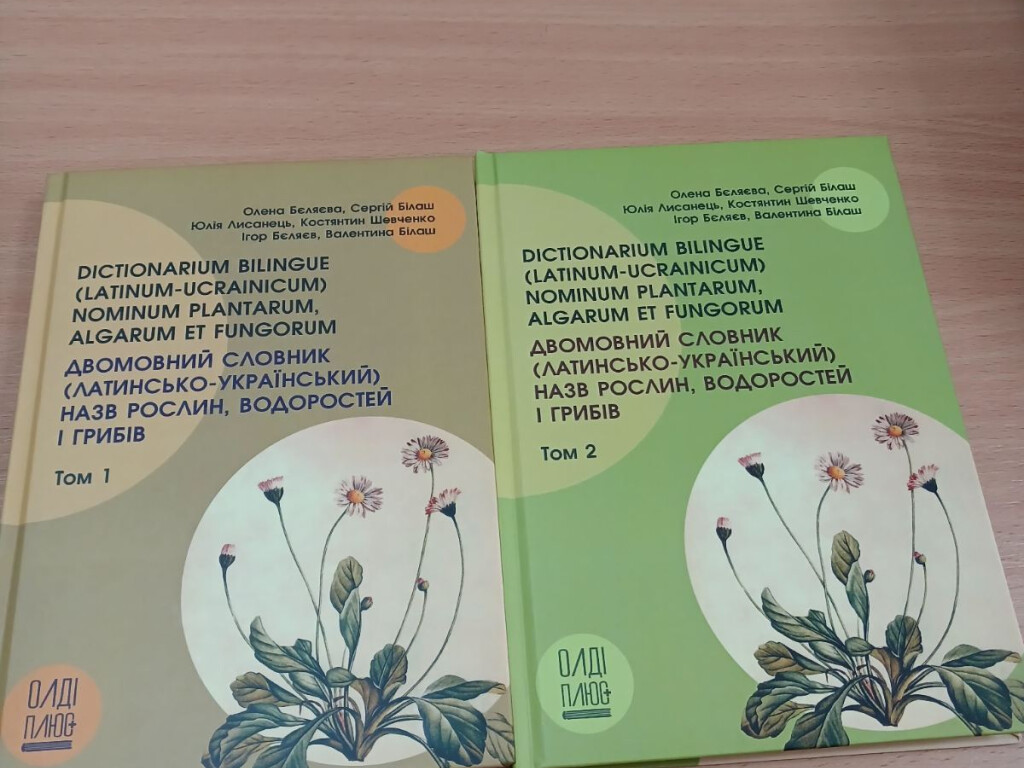
Науковці кафедри іноземних мов з латинською мовою та медичною термінологією (завідувач кафедри, кандидат педагогічних наук, доцент Олена Бєляєва; доцент закладу вищої освіти, кандидат філологічних наук, доцент Юлія Лисанець), анатомії з клінічною анатомією та оперативною хірургією (завідувач кафедри, доктор біологічних наук, професор Сергій Білаш), біології (т.в.о. завідувача кафедри, PhD, доцент Костянтин Шевченко; аспірант третього року навчання Ігор Бєляєв), анатомії людини (доцент закладу вищої освіти, кандидат біологічних наук, доцент Валентина Білаш) об’єднали свої зусилля для створення «Dictionarium bilingue (Latinum-Ucrainicum) nominum plantarum, algarum et fungorum = Двомовний словник (латинсько-український) назв рослин, водоростей і грибів» ‒ фундаментального довідкового видання, покликаного сприяти уніфікації та розвиткові біологічної термінології.
Особливістю пропонованого словника є подання реєстрового слова ‒ родової назви латинською мовою із зазначенням словникової форми, що містить усю необхідну граматичну інформацію про цю назву: род, число, відміну, відмінок, змінність/незмінність. Також подано словникові форми інших таксонів, що спрямовано на систематизацію, полегшення розуміння їхньої граматичної форми та грамотного й усвідомленого використання в писемному або усному мовленні.
З огляду на те, що натепер відсутні українські відповідники латинських назв багатьох ендемічних рослин, автори взяли на себе сміливість запропонувати можливі вітчизняні назви-кальки, максимально орієнтовані на латинські. Автори також вважали за потрібне позбавитися надмірної кількості українських синонімічних, зокрема, діалектних і застарілих назв. Натомість пропонуються сучасні морфологічні й орфографічні варіанти. Такий підхід сприятиме подальшому розвиткові, стандартизації та впорядкуванню національної термінології.
Автори впевнені, що цей словник стане в пригоді в науково-дослідній роботі, адже правильне використання термінології є необхідною умовою підготовки наукових публікацій, дисертацій, статей і звітів, дозволить забезпечити точність перекладу термінів, узгодженість назв рослин і відповідність міжнародним стандартам номенклатури. Це сприятиме підвищенню якості наукових досліджень і полегшить інтеграцію українських науковців у міжнародну наукову спільноту.
Сподіваємося, що видання також матиме значення для популяризації ботанічних знань серед ширшого кола читачів, адже інтерес до рослинного світу постійно зростає, особливо у зв’язку з розвитком екологічної свідомості, природоохоронної діяльності та вивчення біорізноманіття.
Research Team Publishes Latin-Ukrainian Dictionary of Plant, Algal, and Fungal Names
Researchers from the Department of Foreign Languages with Latin and Medical Terminology (Head of the Department, Candidate of Pedagogical Sciences, Associate Professor Olena Bieliaieva; Candidate of Philological Sciences, Associate Professor Yuliia Lysanets), the Department of Anatomy with Clinical Anatomy and Operative Surgery (Head of the Department, Doctor of Biological Sciences, Professor Serhii Bilash), the Department of Biology (Acting Head of the Department, PhD, Associate Professor Kostiantyn Shevchenko; third-year postgraduate student Ihor Bieliaiev), and the Department of Human Anatomy (Candidate of Biological Sciences, Associate Professor Valentyna Bilash) joined their efforts to create Dictionarium bilingue (Latinum-Ucrainicum) nominum plantarum, algarum et fungorum = Latin-Ukrainian Dictionary of the Names of Plants, Algae, and Fungi) a fundamental reference work intended to promote the standardization and further development of biological terminology.
A distinctive feature of the dictionary is the presentation of each headword ‒ a generic name in Latin ‒ together with its dictionary form, which provides all the essential grammatical information about the term, including gender, number, declension, case, and inflectional variability. Dictionary forms of other taxa are also included to facilitate systematization, improve understanding of their grammatical structure, and ensure their accurate and conscious use in both written and spoken communication.
Given the current absence of Ukrainian equivalents for the Latin names of many endemic plants, the authors undertook the task of proposing possible Ukrainian calques closely aligned with the original Latin forms. They also considered it important to reduce the excessive number of synonymous Ukrainian names, particularly dialectal and obsolete variants. Instead, the dictionary offers modern morphological and orthographic forms. This approach is expected to contribute to the further development, standardization, and harmonization of national biological terminology.
The authors are confident that the dictionary will become a valuable resource for research activities, as the accurate use of terminology is an essential prerequisite for preparing scientific publications, dissertations, articles, and reports. It will help ensure the precise translation of terms, consistency in plant nomenclature, and compliance with international nomenclatural standards. In turn, this will contribute to enhancing the quality of scientific research and facilitate the integration of Ukrainian scholars into the international academic community.
The authors also hope that the publication will play an important role in promoting botanical knowledge among a wider readership. Interest in the plant world continues to grow, particularly in the context of increasing environmental awareness, conservation efforts, and biodiversity studies.